Trade-Up Contracts: How They Work and the Risks
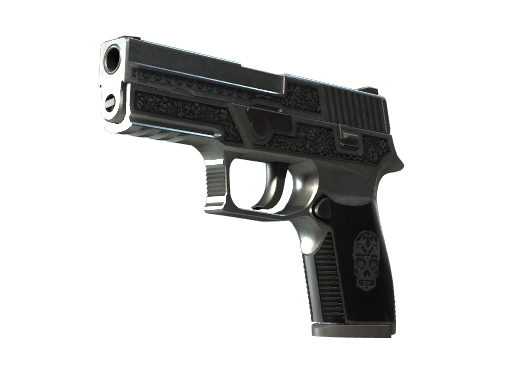
How a Trade-Up Works
A trade-up contract takes exactly ten weapon skins of the same rarity and combines them into one skin of the next higher rarity. All ten inputs must share the same grade, and the output is drawn from the collections those inputs belong to. You can mix finishes and collections as long as the rarity matches, and both normal and StatTrak contracts exist, but you cannot mix the two in one contract.
The rarities step up one tier at a time, from Consumer to Industrial, Industrial to Mil-Spec, and so on up to the Classified-to-Covert range. Covert is the highest tier available through trade-ups; you cannot trade up into knives or gloves. Once you confirm the contract, the ten inputs are consumed permanently and replaced by the single result, so the action cannot be undone.
How the Output Is Chosen
The output is not fully random across the game. Each of your ten inputs points to the collection it came from, and the possible results are the next-tier skins from those specific collections. The more inputs you include from a given collection, the higher the chance the result comes from it. If all ten share one collection, the result is guaranteed to be from that collection's next tier, though which skin within it is still random.
Within the pool, the probability is weighted by how many inputs come from each collection. This means careful input selection lets you shape the odds toward collections whose next-tier skins you actually want. It does not let you choose the exact skin, so even a well-planned contract can land on the least valuable outcome in your target pool. Plan around the whole range of possible results, not just the best one.
Float and Value in Trade-Ups
The output's float is calculated from the average float of your ten inputs, then scaled into the output skin's own float range. In practice, lower-float inputs tend to produce a lower-float, cleaner output, which can matter for value. Because each output finish has its own minimum and maximum wear, the same average can land in different tiers depending on the skin.
This creates room for strategy: some contracts use very low-float inputs to aim for a high-condition result that is worth more than a typical copy. However, the output skin is still random within your pool, so a clean float does not rescue a contract that lands on an unwanted finish. Treat float planning as a way to improve a good outcome, not as a guarantee of profit on any single contract.
The Risks and Expected Value
The most important fact about trade-ups is that, on average, they have negative expected value. Across many contracts the typical result is worth less than the skins you put in, because the system is not designed to reward players with profit. Individual contracts can win, but the long-run average works against you, much like other forms of gambling.
It is entirely possible to feed in ten skins and receive a single skin worth less than their combined cost. Prices also move, so a contract that looked profitable can turn negative by the time you sell. Never trade up skins you are not prepared to lose, and avoid the mindset that one more contract will recover past losses. Treat trade-ups as an experiment or a bit of fun, not an income strategy, and only use value you can afford to part with.
Planning a Contract Carefully
If you still want to try a contract, plan it before buying inputs. Decide which next-tier skins you would be happy to receive, then source inputs from the collections that contain those skins. Check current prices for both inputs and every possible output so you know the realistic range of results, not just the best case.
A trade-up calculator can estimate the odds and expected value of a given set of inputs, which is far safer than guessing. Compare the calculated expected value against your input cost, and remember that a positive-looking estimate still carries variance and relies on prices that can change. For broader context on where skins come from and the role of chance, our case opening guide covers the gambling side in more detail.
Questions & answers
How many skins do I need for a trade-up?
Exactly ten skins of the same rarity. You cannot use fewer or more, and all ten must share the same grade. The contract produces one skin of the next rarity up.
Can I trade up into a knife or gloves?
No. Trade-ups only move one rarity tier at a time and stop at Covert. Knives and gloves are a separate Extraordinary category and are not obtainable through contracts.
Are trade-up contracts profitable?
On average, no. Trade-ups carry negative expected value, meaning the typical result is worth less than the inputs. Some contracts win, but the long-run odds favor a loss, so treat them as a gamble.
Can I undo a trade-up contract?
No. Once you confirm the contract, the ten input skins are permanently consumed and replaced by the single output. There is no way to reverse it, so double-check before confirming.
How is the output float decided?
The output float is based on the average float of your ten inputs, scaled into the output skin's own wear range. Cleaner inputs generally produce a cleaner result.