Stickers and Crafts: What Adds Value
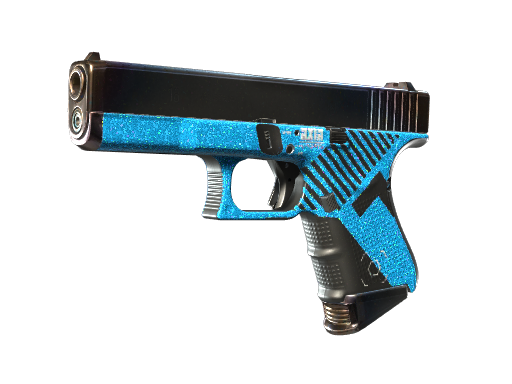
How Stickers Work
Stickers are cosmetic decals you apply to the four sticker slots on most weapons. Once placed, a sticker is locked to that weapon and cannot be moved to another. You can scrape a sticker to wear it down gradually or remove it entirely, but scraping is permanent and a removed sticker is gone for good. Applying a sticker consumes the sticker item itself.
Stickers come from sticker capsules, tournament packages and promotions, and they range from cheap common decals to rare tournament holos worth far more than the gun beneath them. Because application is one-way, the decision to put a sticker on a skin is a commitment. The combined item, a skin plus its specific stickers, is called a craft, and crafts are evaluated as unique pieces rather than as a standard skin off the market.
What Makes a Craft Valuable
Most of the time, applying stickers reduces the total value: a sticker worth a few dollars on a gun rarely adds that much to the price, because buyers value crafts by taste, not by the cost of the parts. A craft adds value only when the combination is genuinely desirable, which usually means rare or expensive stickers arranged thoughtfully on a fitting skin.
Desirable crafts often share features: matching or thematically coordinated stickers, placement that lines up cleanly on the model, and stickers in high condition rather than heavily scraped. A four-of-a-kind set of the same rare sticker, or a placement that interacts with the skin's artwork, tends to attract collectors. Even then, the audience for any specific craft is small, so a craft that one person loves may be worth little to the next buyer.
Holos, Foils and Tournament Stickers
Sticker finishes matter. Beyond standard paper stickers there are holo, foil, gold and glitter variants, which are rarer and generally more valuable. Tournament stickers, especially older ones from early Majors that are no longer produced, can appreciate because supply is fixed and slowly shrinks as stickers are applied and scraped out of existence.
Holo stickers from legendary teams or signatures from famous players are the backbone of the high-end craft scene. Their scarcity, not the gun, drives the price, which is why a modest skin can host a very expensive craft. If you are drawn to rare stickers, understand that the market for them is specialized and can be illiquid. Prices depend heavily on the specific sticker, its edition and its condition, so research each one individually before buying.
The Risks of Applying Stickers
Crafting carries clear risks. Application is irreversible in the sense that you can never recover the original sticker, and scraping cannot be undone either. If you apply expensive stickers and later want to sell, you are selling a niche item that may take longer to move and may fetch less than the stickers cost on their own.
There is also market risk: sticker and skin prices shift independently, so a craft's value can drift even if you never touch it. For most players, the safest approach is to craft only on skins you intend to keep and enjoy, using stickers whose loss you accept as the price of personalization. If resale value matters to you, think carefully before committing rare stickers, and treat any upside as a bonus rather than the plan.
Buying and Valuing Crafts
When buying an existing craft, judge it as a unique item. Check the exact stickers, their finish and condition, their placement, and the underlying skin's float. Compare the asking price against the current value of the stickers and the base skin separately, so you understand how much is craft premium and how much is parts.
Because crafts are illiquid, be prepared to hold one longer than a standard skin if you ever resell. Buy a craft because you like it, not purely as an investment. For help valuing the components and the whole, see our guide on how to price-check a skin, and for background on Souvenir stickers specifically, our StatTrak vs Souvenir guide explains how tournament stickers arrive pre-applied.
Questions & answers
Can I remove a sticker and reuse it?
No. Scraping a sticker wears it down or removes it permanently, and it cannot be recovered or moved to another weapon. Applying a sticker consumes it, so the decision is one-way.
Do stickers increase a skin's value?
Usually not. Most stickers lose value once applied, since buyers price crafts by appeal rather than part cost. Only rare, well-matched combinations on fitting skins tend to add value, and even then the audience is small.
Why are some old tournament stickers so expensive?
They are no longer produced, so supply is fixed and slowly shrinks as stickers are applied and scraped. Holos and signatures from famous teams or players at early Majors are especially scarce.
Should I craft on an expensive skin?
Only if you plan to keep it and accept the stickers as a permanent, personal choice. Crafts are illiquid and may resell for less than the parts, so avoid crafting purely to raise resale value.